
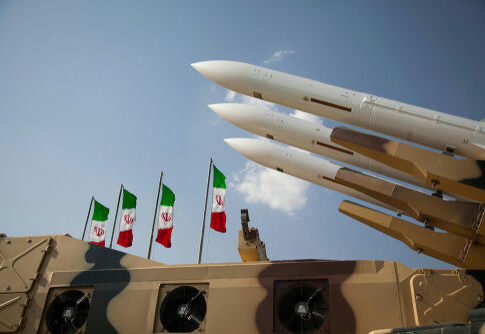
Former CIA intelligence officers warn the Iran war could drag on for months with no end in sight, contradicting the Trump administration’s optimistic regime-change narrative as American lives remain at risk and oil markets teeter on the brink.
Intelligence Veterans Challenge Official Optimism
Norman T. Roule, who spent 34 years in the CIA’s clandestine service and served as National Intelligence Manager for Iran from 2008 to 2017, delivered a sobering assessment in May 2026. The war initiated by the U.S.-Israel joint operation dubbed “Epic Fury” in February shows no signs of ending despite the death of Supreme Leader Ali Khamenei. Roule’s expertise, built through decades of Middle East intelligence work and residency in the region, contradicts administration claims of imminent victory. His warning that the conflict could “continue for a number of months” reflects ground-level realities ignored by Washington cheerleaders.
February Strikes Failed to Achieve Decisive Victory
Operation Epic Fury launched on February 28, 2026, with massive U.S.-Israeli strikes targeting Iranian nuclear facilities and military installations. The operation succeeded in killing Khamenei but failed in its primary objective of triggering regime collapse. President Trump justified the action citing nuclear threats and promised liberation for the Iranian people. Instead, Iran retaliated with precision strikes on U.S. allies including Bahrain, Qatar, Kuwait, and the United Arab Emirates throughout March. Iranian forces threatened to disrupt oil shipments through the Strait of Hormuz, a chokepoint controlling 20 percent of global petroleum supplies. Trump himself acknowledged potential U.S. casualties, stating “lives of American heroes may be lost… that often happens in war.”
Economic Fallout Threatens Global Energy Markets
The Strait of Hormuz threat represents more than military posturing. Disruption of this narrow waterway would spike oil prices globally, punishing American consumers already reeling from years of inflation caused by fiscal mismanagement and restrictive energy policies. Former CIA Director William J. Burns highlighted these economic consequences in his analysis of the war’s “course and consequences.” The conflict has already elevated energy costs as markets price in supply disruption risks. Gulf state allies hosting U.S. military bases face continued Iranian missile attacks, creating regional instability that benefits neither American security interests nor economic prosperity. This scenario vindicates concerns about interventionist foreign policy draining resources while failing to deliver promised results.
Historical Patterns Repeat in Middle East Quagmire
The current stalemate echoes decades of failed U.S. policy in Iran stretching back to the CIA-orchestrated 1953 coup that installed the Shah. That intervention, designed to protect Western oil interests, bred resentment culminating in the 1979 Islamic Revolution and subsequent decades of hostility. The 2015 nuclear deal collapsed when Trump withdrew in 2018, followed by escalating tensions through proxy conflicts and the 2020 assassination of General Qasem Soleimani. Each intervention promised decisive results but delivered prolonged complications. Roule’s realistic assessment suggests intelligence professionals understand what politicians refuse to admit: military action rarely produces clean outcomes in complex regional conflicts. The American people deserve honesty about war costs and timelines, not propaganda designed to justify decisions already made by elites insulated from consequences.
Former CIA boss fears Iran war will ‘continue for a number of months’ https://t.co/QmogcDhBGX pic.twitter.com/OTf8ct8ZT9
— bulletinindy (@bulletinindy) May 14, 2026
As May 2026 progresses with no ceasefire in sight, questions mount about exit strategies and ultimate objectives. The Trump administration’s regime-change hopes confront Iranian resilience and asymmetric warfare capabilities. U.S. military personnel remain in harm’s way while domestic debates intensify over whether national interests justify the sacrifices. Intelligence veterans like Roule and Burns offer perspectives grounded in experience rather than political calculation, warning that optimistic timelines ignore battlefield realities. Their assessments deserve serious consideration as Americans evaluate whether this conflict serves genuine security needs or perpetuates cycles of Middle East entanglement that drain blood and treasure without delivering lasting solutions.
Sources:
US-Iran Relations: A Timeline – Britannica
CIA Confirms Role in 1953 Iran Coup – National Security Archive
1953 Iranian Coup d’état – Wikipedia
Ok, what do we know about the vaunted CIA?
1) They are trained liars.
2) They are corrupt and generally incompetent. Bureaucrats
3) They are the deepest part of the deep state , (swamp)
4) They hate Trump because he threatens their kingdom. Trump thinks they should work for the people. They could give a rats butt about the people.
5) John Brennan is/was their poster boy.
When they say something, believe the opposite.
@Pete
Couldn’t agree more.
They are asking to go against common sense once again, because that has worked so well in the past.
Like with covid.
Like with the 2020 election.
I thought Iran no longer had a navy. How are they able to prevent commerce in the Strait of Hormuz with no navy and pitted against the strongest navy in the world. Tell us Trump. What am I missing?