
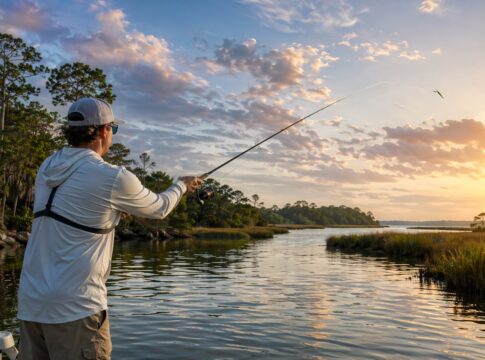
Trump’s NOAA slashes federal overreach on red snapper fishing, proposing 62-day state-managed seasons versus the prior absurd 2-day limit that crushed coastal families.
Trump Administration Advances State Control
NOAA Fisheries announced a public comment period on February 11, 2026, for EFP applications from South Atlantic states. These permits target recreational red snapper harvest in federal waters off Florida, Georgia, South Carolina, and North Carolina. NOAA Administrator Neil Jacobs tied the move to President Trump’s goals for coastal prosperity. The initiative tests state management strategies previously blocked by federal rules. This step empowers locals who know their waters best, countering years of D.C. overregulation that limited seasons to just two days and sparked widespread frustration among anglers and charters.
From Two Days to 62: A Major Victory for Anglers
Georgia, South Carolina, and North Carolina propose 62-day seasons from July 1 to August 31, 2026, aligned with NOAA’s MRIP wave 4 surveys. Participants retain one red snapper per person daily, with harvest capped to match quotas. Florida’s ongoing EFP program uses quarterly lotteries for “Hot Spot” and “Study Fleets,” allowing 4 fish per day for private anglers outside federal seasons. These pilots address federal data inaccuracies that imposed overly restrictive quotas. Longer access means more family outings and business for coastal communities long stifled by Washington bureaucrats.
Trump touts Red Snapper fishing permit approvals https://t.co/5cnsEf86aZ
— Just the News (@JustTheNews) May 1, 2026
States and Leaders Fight Federal Overreach
Florida Fish and Wildlife Conservation Commission leads with lottery-selected fleets harvesting 24-36 fish per vessel for captains. Governor Ron DeSantis announced the FWC’s EFP submission, championing state innovation. Rep. John Rutherford led a bicameral letter urging NOAA to grant state control. The American Sportfishing Association praised the action as an important step for better data and extended seasons. This collaboration highlights federal-state tensions over unreliable MRIP estimates, with states now proving superior reporting through apps and direct angler logs.
South Atlantic Fishery Management Council provides recommendations, while NOAA consults the Coast Guard before final EFP issuance. Comment period opened February 13, 2026, with decisions pending public input and legal compliance reviews.
Economic Boost and Path Forward
EFPs promise short-term gains like increased fishing trips and revenue for charters and headboats. Long-term, successful pilots could lead to full state management by 2027-2028, mirroring Gulf states’ successes. Coastal economies stand to thrive under Trump’s deregulation, reversing damage from past restrictive policies. Angler satisfaction rises with sustainable access, though harvest caps mitigate overfishing risks noted in broader critiques. This aligns conservative values of limited government and local control, delivering real results for families tired of federal red tape.
Trump touts Red Snapper fishing permit approvals https://t.co/wW7AKTzAO0
— John Solomon (@jsolomonReports) May 1, 2026
American Sportfishing Association sees tremendous potential in state-led data for accurate landings info. Florida FWC addresses long-standing frustrations with federal systems via mandatory reporting. While Gulf precedents warn of deregulation pitfalls, South Atlantic focus emphasizes controlled pilots with sustainability safeguards.
Sources:
States could net control of red snapper season
Sportfishing industry welcomes NOAA action to support red snapper state management
NOAA Fisheries seeks comments on four applications for exempted fishing permits to pilot test
Governor Ron DeSantis Announces Management Proposal for Atlantic Red Snapper Season
Rutherford Leads Bicameral Letter for State Management of South Atlantic Red Snapper