
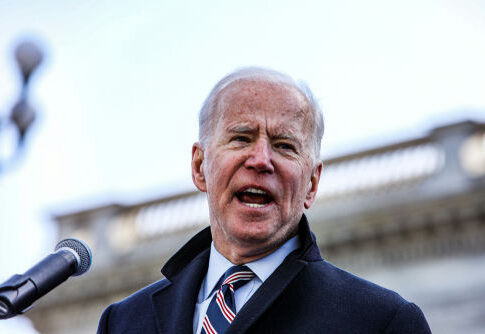
Joe Biden is suing to keep key audio from Special Counsel Robert Hur’s probe out of public view, even as the Department of Justice prepares redacted disclosure to Congress and records requesters.
Story Snapshot
- Biden filed suit to block release of 2016–2017 biographer-interview audio tied to the Hur investigation [1][4].
- The Department of Justice has stated plans to disclose redacted transcripts and recordings to Congress and to requesters [2].
- Biden’s team argues the recordings were provided with an assurance they would remain private [2].
- The fight highlights recurring battles over privacy, privilege, and public access to investigative records [7].
Biden’s Lawsuit Seeks to Halt Public Release of Hur-Related Audio
Axios reported that Joe Biden has filed a lawsuit to stop the Department of Justice from releasing audio recordings created during interviews with his biographer, which became part of Special Counsel Robert Hur’s classified-documents investigation [1]. A local outlet likewise noted the suit targets release of interview audio and related files, which were recorded at Biden’s home during the writing of his memoir Promise Me, Dad [4]. Politico previously detailed Biden’s intent to fight public release, foreshadowing the legal move now underway [2].
Politico reported Biden’s spokesperson said Biden shared the audiotapes with Hur’s team only on the condition they would not be made public, framing the dispute as one of privacy and reliance on confidentiality assurances [2]. Those interviews with a biographer date to 2016–2017 and are distinct from formal government service records. However, once investigators obtained the materials, they became part of an official case file that now sits at the center of disclosure demands from Congress and public records plaintiffs [1][2].
Justice Department Signals Redacted Disclosure to Congress and Requesters
Fox News reported that the Department of Justice has indicated it intends to release redacted written transcripts and the related audio to Congress and to plaintiffs seeking access, reflecting an institutional posture toward qualified transparency rather than blanket secrecy [2]. A regional report echoed that the materials were prepared in connection with the Hur investigation and are now the subject of requests and litigation, raising stakes for how the government balances privacy with public interest [4]. The Department of Justice’s approach suggests a controlled release, not an unrestricted dump [2].
The Hur report, published by the Department of Justice in 2024, established that the investigation examined Biden’s handling of classified records and drew on multiple sources, providing context for why the interview materials carry public significance now that the inquiry concluded [7]. Axios emphasized that these recordings formed a key part of the Hur review, underscoring why Congress and watchdogs argue the public deserves to hear or review them, subject to appropriate redactions [1]. The transparency rationale grows when materials informed a high-profile federal decision not to charge [7].
What This Fight Means for Transparency, Privacy, and Precedent
This clash fits a familiar legal pattern: once private conversations are collected into a federal investigative file, disclosure pressures arise through oversight requests and public-records suits, while subjects assert privacy or privilege limits. The Department of Justice has historically managed such tensions through redactions that protect personal data, ongoing investigative equities, and classified information [7]. Courts then test the asserted limits. Biden’s claim of a privacy-based understanding will be weighed against the Department of Justice’s obligations to Congress and the public interest in completed investigations [2][7].
DEVELOPING: BIDEN SUES DOJ TO BLOCK AUDIO RELEASE
Former President Joe Biden is taking the Department of Justice to court over private audio recordings and transcripts from conversations with his biographer in 2016 and 2017.
This is not just a paperwork fight.
It is now a… https://t.co/MgXQeS4X2q pic.twitter.com/6fOuA642ds
— Gunnys Adventures (@DerrickSalas9) May 27, 2026
For conservatives who have watched transparency standards shift depending on political winds, the key point is accountability: when a special counsel relies on materials to reach a charging decision, the underlying records merit sunlight to reinforce trust in equal justice. A careful, redacted release respects personal privacy while honoring the public’s right to evaluate evidence that shaped official outcomes. Congress and requesters are pressing for that balance; Biden’s suit aims to narrow it [1][2][7].
Sources:
[1] Web – Biden sues Justice Department to block release of files from …
[2] Web – Biden files lawsuit in bid to block DOJ audio interview release – …
[4] YouTube – Biden looks to block DOJ release of 2017 ghostwriter audio recordings
[7] Web – Biden expected to oppose release of Hur tapes in Heritage lawsuit